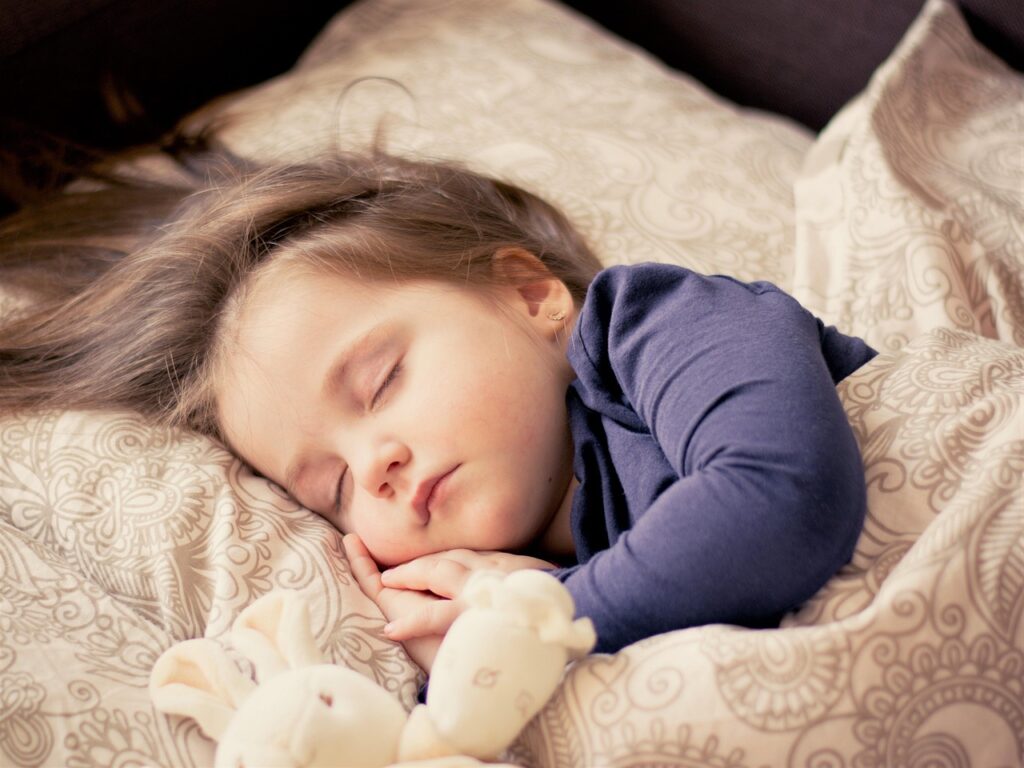
Bringing a baby home is one of life’s most joyful milestones. But as soon as babies begin rolling, crawling, and eventually walking, your home transforms into a landscape filled with hidden risks. What seems harmless to adults can be dangerous to curious little explorers. Babies and toddlers learn by touching, tasting, climbing, and pulling often without understanding danger.
Understanding common household hazards and taking simple preventive steps can dramatically reduce the risk of injury. Here’s a comprehensive guide to everyday dangers in your home and practical ways to avoid them.
1. Falls: The Most Common Childhood Injury
Falls are one of the leading causes of injury among babies and toddlers. Once children start crawling and walking, they are naturally drawn to stairs, furniture, and elevated surfaces.
Common fall hazards include:
- Stairs without safety gates
- Unsecured windows
- Beds and sofas
- Changing tables
- Climbable furniture
How to prevent falls:
- Install sturdy safety gates at the top and bottom of stairs.
- Use window guards and keep furniture away from windows.
- Never leave a baby unattended on elevated surfaces.
- Secure heavy furniture and bookshelves to the wall.
- Avoid using baby walkers, which can increase fall risks.
2. Choking Hazards: Small Objects Everywhere
Babies explore the world by putting things in their mouths. Small objects can quickly become choking hazards.
Common choking risks:
- Coins and buttons
- Small toys
- Marbles
- Batteries
- Nuts and hard candies
Prevention tips:
- Follow the “toilet paper roll test” – if an object fits inside, it’s a choking hazard.
- Keep floors clean and regularly check for small items.
- Store small objects in closed containers and out of reach.
- Always supervise meal times and cut food into small, manageable pieces.
3. Electrical Dangers
Electrical outlets and cords are highly attractive to toddlers.
Risks include:
- Inserting objects into outlets
- Pulling on cords
- Chewing electrical wires
How to stay safe:
- Use tamper-resistant outlet covers.
- Secure cords out of reach.
- Avoid overloading power strips.
- Unplug appliances when not in use.
4. Burns and Scalds
Young children have delicate skin that burns easily.
Common causes:
- Hot beverages
- Stovetops
- Irons and heaters
- Bathwater that’s too hot
- Hot food
Prevention strategies:
- Turn pot handles inward while cooking.
- Keep hot drinks away from table edges.
- Test bathwater before placing your child inside.
- Set your water heater to a safe temperature (around 49°C or 120°F).
- Keep matches and lighters out of reach.
5. Poisoning from Household Products
Many everyday household items are toxic if ingested.
Common poisonous substances:
- Cleaning supplies
- Medications
- Laundry detergent pods
- Cosmetics
- Plants
How to prevent poisoning:
- Store all chemicals in locked cabinets.
- Keep medicines in original containers with childproof caps.
- Never refer to medicine as candy.
- Save emergency poison control numbers in your phone.
Even products labeled “natural” can be harmful if swallowed.
6. Water Hazards: More Than Just Pools
It takes only a few inches of water for a child to drown.
Potential water dangers:
- Bathtubs
- Buckets
- Toilets
- Inflatable pools
- Garden ponds
Prevention tips:
- Never leave a child unattended in or near water.
- Empty buckets and tubs immediately after use.
- Install toilet locks.
- Use non-slip mats in the bathtub.
Supervision is the most important water safety measure.
7. Furniture and TV Tip-Overs
Toddlers love to climb, but unsecured furniture can tip over.
High-risk items:
- Dressers
- TV stands
- Bookshelves
- Cabinets
How to reduce risk:
- Anchor heavy furniture to walls.
- Place televisions on stable, low stands.
- Avoid placing toys on top of furniture, which may encourage climbing.
8. Sharp Edges and Corners
Coffee tables, countertops, and fireplace hearths often have sharp edges.
Prevention methods:
- Install corner guards.
- Use edge bumpers on tables.
- Rearrange furniture to create safer walking paths.
9. Suffocation and Strangulation Risks
Soft bedding and cords pose serious risks to infants and toddlers.
Common hazards:
- Loose blankets
- Pillows
- Blind cords
- Plastic bags
- Balloon strings
Safety tips:
- Keep cribs free of pillows and stuffed animals for infants.
- Use cordless window blinds.
- Tie up or shorten curtain cords.
- Keep plastic bags out of reach.
10. Fire Hazards
Fires can spread quickly and create life-threatening situations.
Common causes:
- Unattended candles
- Faulty wiring
- Space heaters
- Cooking accidents
How to protect your family:
- Install smoke alarms on every level of your home.
- Test alarms monthly.
- Keep fire extinguishers accessible.
- Develop and practice a family escape plan.
11. Balcony and Window Risks
Balconies and open windows can be extremely dangerous for curious toddlers.
Prevention measures:
- Install window guards.
- Avoid placing furniture near balcony railings.
- Ensure railings are secure and properly spaced.
12. Kitchen Hazards
The kitchen contains multiple dangers in one space.
Risks include:
- Sharp knives
- Glassware
- Cleaning products under sinks
- Hot appliances
Prevention strategies:
- Use cabinet locks.
- Store knives in locked drawers.
- Keep appliances unplugged when not in use.
- Use stove knob covers.
13. Garage and Outdoor Dangers
Garages often store hazardous tools and chemicals.
Potential risks:
- Power tools
- Lawn equipment
- Pesticides
- Paint and solvents
Safety tips:
- Keep the garage locked.
- Store chemicals high and secured.
- Never allow children to play unsupervised in driveways.
14. Pets and Baby Safety
Even gentle pets can accidentally injure a baby.
Safety measures:
- Never leave babies alone with pets.
- Teach toddlers gentle handling.
- Keep pet food and water bowls away from play areas.
Creating a Safe Home Environment
Babyproofing isn’t a one-time task, it evolves as your child grows. What works for a crawling baby may not be enough for a climbing toddler.
General safety checklist:
- Conduct regular safety inspections of your home.
- Get down on your child’s level to spot hidden hazards.
- Supervise actively and consistently.
- Educate caregivers about safety precautions.
Final Thoughts
Babies and toddlers are naturally curious, energetic, and fearless. While you can’t eliminate every risk, you can significantly reduce the chances of serious injury by identifying common hazards and taking preventive action.
A safe home doesn’t mean restricting your child’s exploration, it means creating an environment where they can safely discover the world around them. With thoughtful babyproofing, careful supervision, and proactive planning, you can ensure your home supports your child’s growth while keeping them protected.
Safety is not about fear – it’s about preparation. And when it comes to your little one, prevention is always better than cure.




)