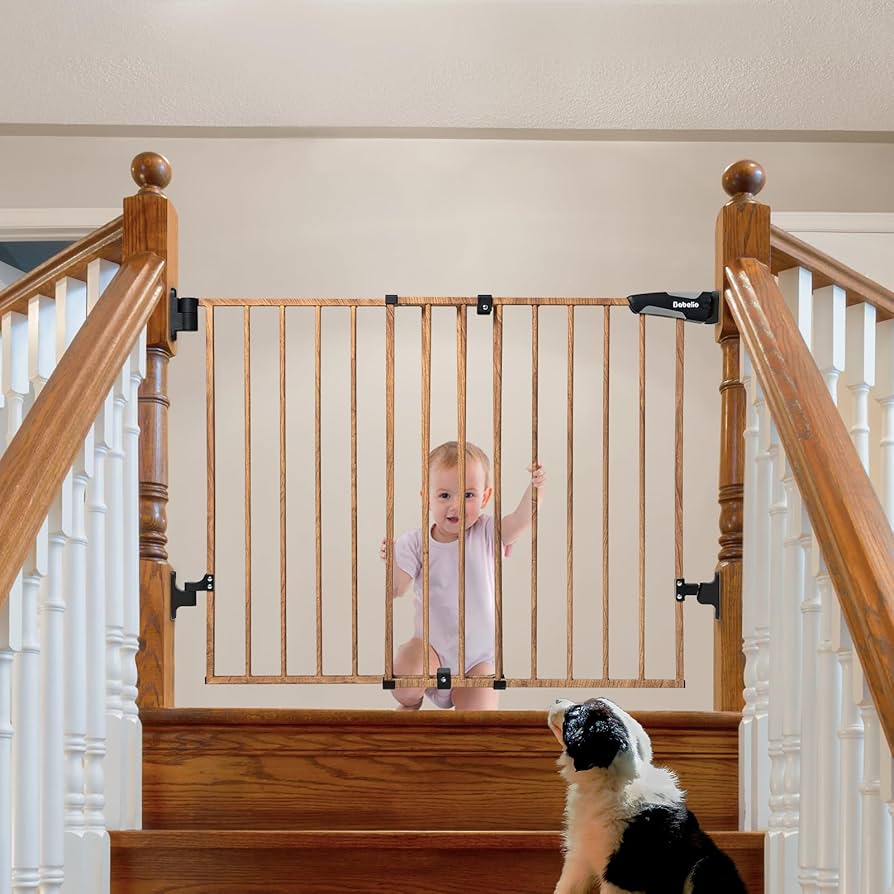
Keeping your home safe for your little ones is a top priority for every parent, and one of the biggest hazards in most homes is the staircase. Whether you live in a multi-story house or a home with even a single step, stairs pose a serious risk to curious toddlers. That’s where baby gates come in, essential tools for childproofing your space. But when it comes to choosing between wooden and metal baby gates for staircases, which one should you pick? In this comprehensive guide, we’ll compare both types across multiple factors to help you decide what works best for your home and family’s needs.
Why Baby Gates Matter for Stair Safety
Before we dive into the materials, let’s quickly understand why stair gates are so important:
- Prevent Falls: Toddlers are natural explorers and often lack the coordination to navigate stairs safely. A secure gate blocks access to stairways.
- Peace of Mind: A reliable baby gate provides parents and caregivers reassurance that their child won’t wander into hazardous areas unsupervised.
- Flexible Safety Barrier: Gates can be used not just at stairs but also to block access to kitchens, fireplaces, or other restricted zones.
Overview: Wooden vs Metal Baby Gates
Let’s explore these differences in depth.
1. Aesthetics & Home Style
Wooden Baby Gates
One of the biggest draws of wooden gates is their visual appeal. Wood pairs beautifully with traditional, rustic, farmhouse, and even transitional home décor. If your staircase has wooden banisters or warm tones, a wood gate can complement the look rather than feel like an ugly add-on.
Metal Baby Gates
Metal gates, especially those with powder-coated finishes, offer a modern and minimalist aesthetic. They can look sleek and unobtrusive in contemporary interiors. For homes with metal railings, stainless features, or a more industrial vibe, metal gates match beautifully.
Bottom line: If design matters to you, think about what fits your home style – wood for warmth, metal for modern chic.
2. Durability & Longevity
Metal Baby Gates
Metal gates are typically stronger and more resistant to wear and tear than wooden ones. This makes them a great choice for:
- High-traffic areas
- Homes with pets (especially bigger dogs that might push or lean on the gate)
- Long-term use (if you plan to reuse the gate for multiple children or pass it down)
Many metal gates are made from steel or aluminum, which resist bending, warping, and cracking.
Wooden Baby Gates
Wood is sturdy, but it can chip, dent, or wear over time, especially in homes with energetic toddlers or pets. Also, wood’s condition can change slightly with humidity and temperature, potentially leading to gaps or loose fits if not properly installed.
Winner for durability: Metal — but both can last years if well-cared for.
3. Safety & Stability
Safety should be the #1 concern when choosing a stair gate. Both metal and wood options can be very safe if they meet safety standards and are installed correctly.
Here’s what to look for:
- Height: Ideally, at least 30-36 inches tall to deter climbing.
- Spacing: Bars or slats should be close enough together so a baby’s head or body cannot slip through.
- Secure Mounting: Especially for stair tops, many experts recommend hardware-mounted gates (screwed into the wall) over pressure-mounted ones.
Metal gates often offer stronger hardware and reinforcement, while wooden gates sometimes rely on simpler mechanisms. Always check the gate’s safety certification and installation recommendations.
4. Installation & Flexibility
Pressure-Mounted vs Hardware-Mounted
Most gates come in two main mounting styles:
- Pressure-Mounted: Uses tension between walls or banisters – no screws. Easier to install, but not recommended for the top of staircases.
- Hardware-Mounted: Bolts into the wall or trim – more secure and the preferred choice for stair safety.
Metal baby gates often provide heavier-duty hardware, making them more reliable for long-term stair use. Wooden gates can also be hardware-mounted, but the screws might loosen over time if the wood shifts.
Flexibility
Pressure-mounted gates are great for rental homes or temporary use since they don’t damage walls. If you plan to move the gate frequently, wood or metal can both work, but always re-check the tension and fit.
Best for staircases: Hardware-mounted metal gates for maximum security.
5. Maintenance & Cleaning
Metal Baby Gates
Metal surfaces are typically easy to wipe clean – great for messy spills, sticky fingerprints, or pet fur. Most finishes resist rust and staining.
Wooden Baby Gates
Wood can also be cleaned easily, but if the finish gets scratched or damaged, it might need refinishing or repainting. Avoid harsh chemicals, as they can strip sealants.
Easier maintenance: Metal
6. Cost Considerations
Prices vary depending on brand, size, and features. In general:
- Wooden gates: Tend to be mid-range in price, though custom or designer options can cost more.
- Metal gates: Range from budget to premium, with heavy-duty models costing more than basic ones.
Keep in mind: safety and durability are worth paying for, especially on staircases.
7. Special Features to Look For
Here are additional features that can make either type better:
Auto-close mechanism – The gate closes by itself
One-hand operation – So you can open it with a hand while carrying baby
Walk-through door – Easier than lifting or swinging gates
Extra tall or extra wide options – For large openings
Safety locks – Hard for kids, easy for adults
Both wooden and metal gates can offer these, but they’re more common and robust in metal designs.
Conclusion: Which Is Best?
So, wooden vs metal baby gates for staircases – which should you choose?
- Choose Wooden if you want warmth and design compatibility with traditional décor, have a moderate budget, and plan to use it in areas other than just stairs.
- Choose Metal if durability, strength, and low maintenance are your top priorities, especially for the top or bottom of staircases where safety is non-negotiable.
Ultimately, both materials can be safe and effective if they meet safety standards and are installed properly.