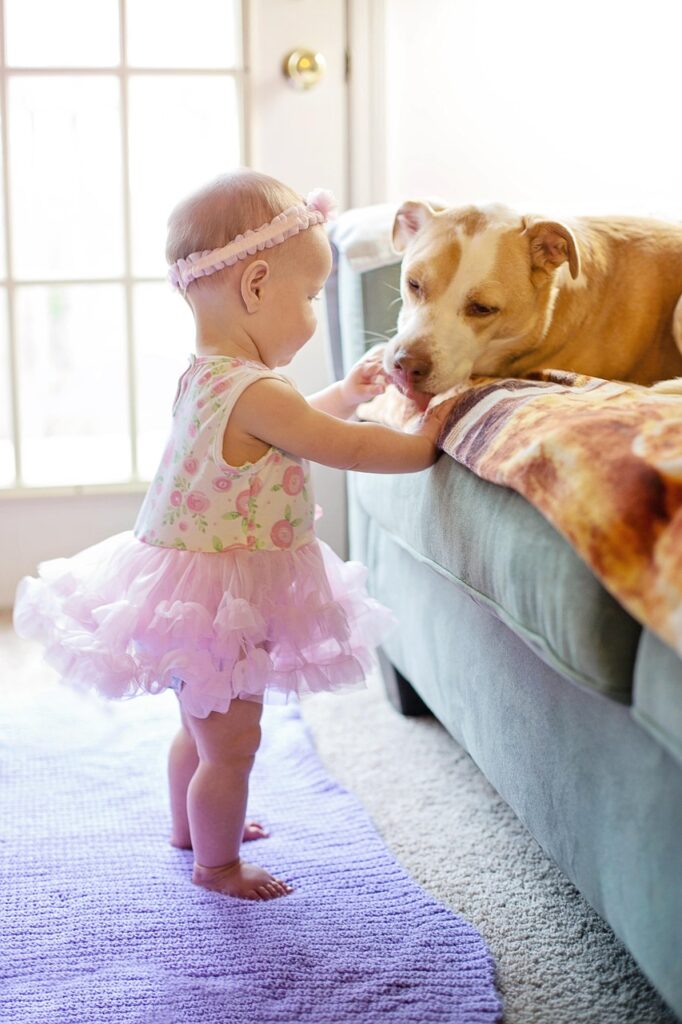
Welcoming a baby into your home is a joyful milestone, but if you also have pets, it brings a new responsibility: ensuring the safety of both your child and your furry companion. Pets are beloved family members, yet even the most gentle animal can become overwhelmed by sudden changes, unfamiliar sounds, and new routines.
Practising proper pet safety around your baby isn’t about fear or separation, it’s about preparation, understanding, and supervision. With the right approach, babies and pets can grow together safely and form lifelong bonds.
Understanding How Pets Perceive a New Baby
Pets, especially dogs and cats, rely heavily on routine and familiarity. A new baby changes:
- Household smells and sounds
- Daily schedules
- Attention and energy levels
Crying, sudden movements, and unfamiliar objects can confuse or stress pets. Understanding this helps you respond with patience rather than anxiety.
Prepare Your Pet Before the Baby Arrives
Preparation should start before your baby comes home.
Helpful steps include:
- Gradually adjusting feeding and walking schedules
- Introducing baby-related sounds like crying recordings
- Allowing your pet to explore baby furniture early
These small changes help reduce shock and anxiety when the baby arrives.
Introduce Your Baby to Your Pet Calmly
First impressions matter. When introducing your baby:
- Ensure your pet is calm and controlled
- Allow them to observe from a distance
- Reward calm behaviour with praise or treats
Never force interaction. Let your pet approach at their own pace.
Never Leave Your Baby and Pet Unsupervised
No matter how gentle or well-trained your pet is, supervision is essential. Babies move unpredictably and may grab tails, ears, or fur, causing pets to react defensively.
Even a moment of unsupervised contact can lead to accidents. Always stay present during interactions.
Create Separate Safe Spaces
Both your baby and pet need areas where they feel secure.
For pets:
- Designate a quiet retreat away from baby activity
- Use baby gates if needed
For babies:
- Keep cribs and play areas pet-free
Respecting boundaries helps reduce stress for everyone.
Teach Gentle Interaction as Your Baby Grows
As your baby becomes more mobile, teach gentle behaviour early:
- Demonstrate soft touching
- Discourage pulling or chasing
- Explain simple safety rules as they grow
Positive early lessons help prevent accidental harm.
Watch for Signs of Pet Stress
Pets communicate discomfort subtly. Watch for:
- Growling or hissing
- Avoidance or hiding
- Excessive licking or pacing
If you notice these signs, give your pet space and consult a vet or animal behaviourist if needed.
Maintain Hygiene and Cleanliness
Proper hygiene protects your baby from potential health risks:
- Wash hands after pet contact
- Keep litter trays and feeding areas away from baby zones
- Stay up-to-date on vaccinations and flea treatments
Routine cleanliness creates a safer environment without isolating your pet.
Keep Feeding Times Separate
Food can trigger resource guarding in pets. Always:
- Feed pets away from baby areas
- Never allow babies near pet food bowls
- Supervise pets when treats are involved
This prevents stress and protects against accidental bites.
Use Training and Positive Reinforcement
Basic training improves safety and trust:
- Commands like “sit,” “stay,” and “leave it”
- Reward calm behaviour around the baby
- Avoid punishment-based training
Positive reinforcement strengthens your pet’s confidence and obedience.
Include Your Pet in Family Life
Pets may feel displaced when attention shifts to a baby. Make time for:
- Daily walks or playtime
- Calm affection
- Consistent routines
Inclusion reduces jealousy and strengthens bonds.
When to Seek Professional Help
If your pet shows ongoing anxiety or aggression:
- Speak with your veterinarian
- Consult a certified animal behaviourist
- Consider professional training support
Early guidance prevents long-term issues.
Special Considerations for Different Pets
Dogs may be protective or excitable, while cats often prefer distance. Small pets like birds or rabbits may be sensitive to noise. Tailor safety practices to your pet’s species, age, and temperament.
Creating a Balanced, Safe Household
Pet safety around babies isn’t about keeping them apart, it’s about fostering mutual respect. With supervision, preparation, and empathy, pets and babies can safely share a loving home.
The goal is a household where:
- Pets feel secure and valued
- Babies are protected and nurtured
- Parents feel confident and at ease
By laying the right foundation early, you create a safe environment where both your child and pet can thrive together.