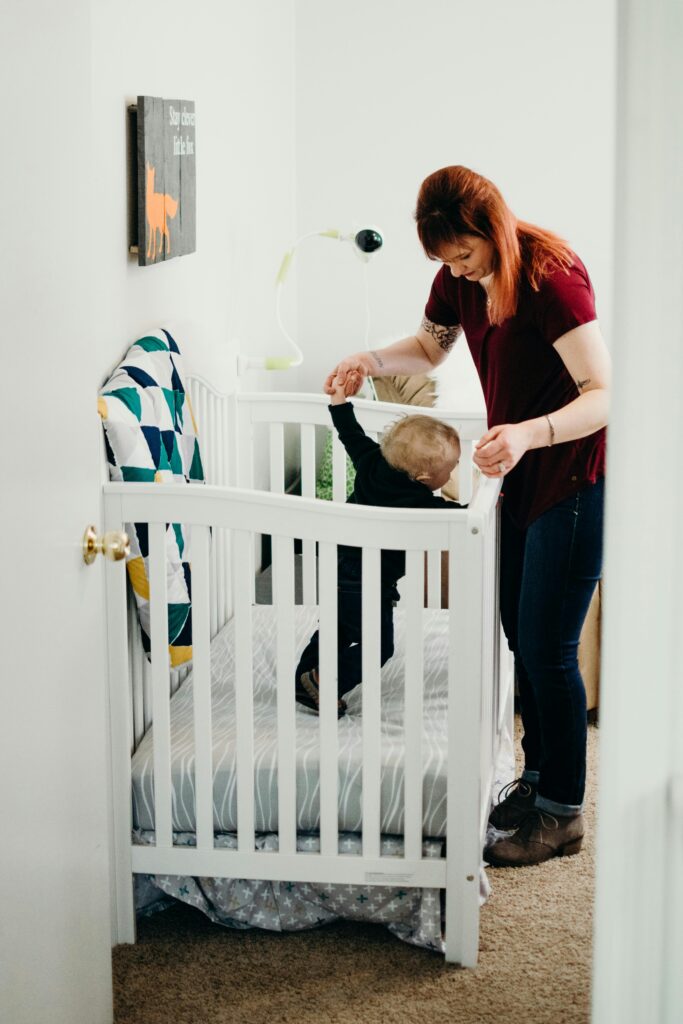
When your little one starts crawling, cruising, or taking those exciting first steps, your home quickly transforms into a world of potential hazards. Stairs, kitchens, fireplaces, and even certain rooms can pose risks to curious toddlers. That’s where baby gates come in, they act as a protective barrier, giving parents peace of mind while allowing children to explore safely.
But with so many styles, features, and installation options available, choosing the right baby gate can feel overwhelming. To help you make an informed decision, here are six crucial questions every parent should consider before buying a baby gate.
1. Where Will the Baby Gate Be Installed?
The first and most important question is location. Different areas of the home require different types of baby gates.
For example:
- Top of the stairs requires a hardware-mounted gate for maximum security.
- Bottom of the stairs can use either hardware-mounted or pressure-mounted options.
- Doorways and hallways often work well with pressure-mounted gates.
- Kitchens or fireplaces may require wider or specially designed gates.
If you’re installing a gate at the top of the stairs, never compromise on safety. Hardware-mounted gates attach directly to the wall and provide a firm, secure hold. Pressure-mounted gates, while convenient, are not recommended for stair tops because they can shift under pressure.
Understanding your layout and safety priorities will immediately narrow down your choices.
2. What Type of Mounting System Is Safest for Your Needs?
Baby gates typically come in two main installation styles:
Pressure-Mounted Gates
These gates use tension to stay in place. They’re easy to install, require no drilling, and are perfect for temporary setups. However, they can be pushed loose if significant force is applied.
Best for:
- Doorways
- Hallways
- Rental properties where drilling isn’t allowed
Hardware-Mounted Gates
These are screwed directly into walls or banisters. They provide the most secure fit and are ideal for high-risk areas.
Best for:
- Top of stairs
- Areas where falls would cause serious injury
If safety is your top priority, especially near stairs – hardware-mounted is almost always the better choice.
3. Is the Gate Height and Width Suitable?
Not all baby gates are created equal when it comes to size. Before purchasing, measure the width of the opening where you plan to install it. Many gates come with extension panels, which are useful for wider spaces.
Height also matters. As toddlers grow quickly, shorter gates may become ineffective. Look for gates that are at least 75 cm (around 30 inches) high or taller, especially if your child is already pulling themselves up.
For homes with pets, you may want a taller model that keeps both pets and children separated safely.
4. What Material Is Best for Your Home?
Baby gates are commonly made from:
- Wood
- Metal
- Plastic
- Mesh
Each material has advantages.
Wood gates offer a classic look and blend well with traditional interiors, but they may be less durable over time.
Metal gates are sturdy, durable, and ideal for high-traffic areas. They often provide a more secure feel.
Plastic gates are lightweight and easy to clean, but may not be as strong as metal options.
Mesh or fabric gates are flexible and travel-friendly, though typically better suited for temporary or low-risk areas.
Consider both safety and aesthetics. You’ll want something strong enough to withstand daily use but also complementary to your home’s design.
5. Is the Locking Mechanism Secure Yet Easy for Adults?
A baby gate should be challenging for children but simple for adults to operate. Look for features such as:
- Double-lock systems
- One-hand operation
- Auto-close mechanisms
- Visual lock indicators
Avoid gates with simple latches that older toddlers may learn to open. At the same time, overly complicated locks can frustrate adults, especially when carrying a baby, laundry, or groceries.
Test the locking mechanism in-store if possible. It should feel sturdy and intuitive.
6. Does the Gate Meet Safety Standards?
Never overlook safety certifications. Reputable baby gates should meet recognised safety standards in your country. Look for compliance labels and manufacturer information.
Additionally, check for:
- No sharp edges
- Proper bar spacing (small enough to prevent head entrapment)
- Non-toxic materials
- Secure hinges and joints
Bar spacing should generally be less than 6 cm (around 2.5 inches) to prevent your child from slipping through or getting stuck.
Reading customer reviews can also provide insights into real-life durability and safety performance.
Bonus Considerations for Extra Peace of Mind
While the six main questions cover the essentials, here are a few additional factors worth thinking about:
Swing Direction
Some gates open in both directions, while others only swing one way. For staircases, it’s safer if the gate swings away from the stairs.
Trip Hazards
Many pressure-mounted gates have a bottom bar that adults must step over. While manageable, it can be a tripping hazard. For high-traffic areas, consider gates with minimal floor obstruction.
Portability
If you travel frequently or visit grandparents, a lightweight, portable gate may be useful as an additional option.
Longevity
Consider whether the gate can adapt as your child grows. Some models convert into play yard panels or room dividers, offering extended use beyond toddler years.
Common Mistakes Parents Should Avoid
Even with the right product, improper use can reduce effectiveness. Avoid these common errors:
- Installing pressure-mounted gates at the top of stairs
- Leaving the gate unlocked “just for a minute”
- Using outdated or second-hand gates that may not meet current safety standards
- Not checking for loose fittings over time
Regularly inspect your gate to ensure it remains secure and functional.
Balancing Safety and Convenience
As parents, safety is always the priority, but convenience matters too. A gate that’s difficult to open may tempt adults to leave it unsecured. Choose a design that fits your daily routine.
Remember, baby gates are not permanent solutions but temporary safety tools. They should support supervision, not replace it.
Final Thoughts
Choosing the right baby gate is a crucial step in childproofing your home. By asking the right questions – about location, mounting type, size, materials, locking mechanisms, and safety standards, you can confidently select a gate that keeps your child safe while giving you peace of mind.
Every home is different, and every child develops at their own pace. Take time to assess your unique needs and invest in a solution that offers both security and practicality.
With the right baby gate in place, you’ll create a safer environment where your child can explore, learn, and grow, while you breathe a little easier each day.