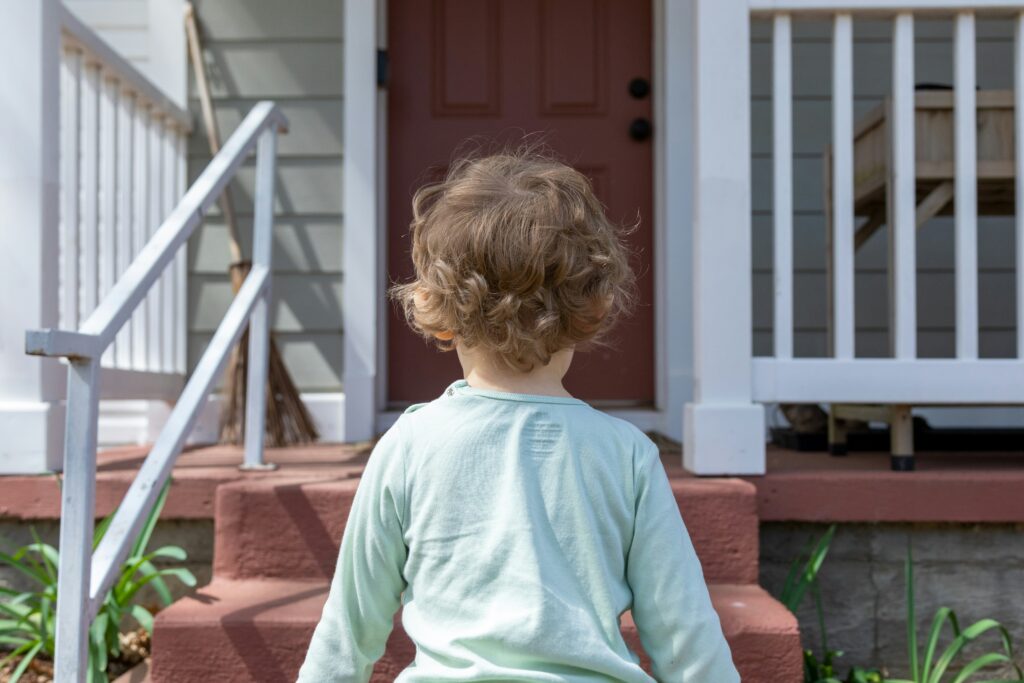
Stairs are one of the most important areas to secure when you have a baby, toddler, or young child at home. A good baby gate can help reduce access to steps, landings, hallways, and rooms where extra supervision is needed. But simply buying a baby gate is not enough. The gate must be the right type, the right size, and installed in the right place.
Many parents buy a gate quickly and assume it will work anywhere. The problem is that stairs need more careful planning than a normal doorway. The wrong gate, weak installation, poor measurements, or unsafe placement can make the gate less effective. In some cases, a gate that looks secure may still move, loosen, or create a trip hazard.
Before choosing a stair gate, it is useful to understand the common mistakes parents make. Avoiding these issues can help you create a safer setup around your home and choose a gate that suits your staircase properly.
Choosing the Wrong Type of Baby Gate for Stairs
One of the biggest mistakes is using the wrong type of gate on stairs. Not all baby gates are suitable for stair areas. Some gates are designed mainly for doorways, hallways, kitchens, or play areas. Stairs usually need a stronger and more secure option.
For the top of stairs, a hardware-mounted baby gate is usually the better choice. This type of gate is fixed into the wall, banister, or mounting surface with screws. It is more stable because it does not rely only on pressure. Pressure-mounted gates can be useful in some areas, but they may not be the safest choice at the top of stairs because they can shift if pushed hard.
At the bottom of stairs, some families use pressure-mounted gates, but the layout still matters. If the gate has a bottom bar, it can become a trip hazard. This is especially important in busy homes where adults may walk through the gate often while carrying laundry, bags, or even the child.
Not Measuring the Stair Opening Properly
Another common mistake is buying a gate before measuring the space properly. Stair openings can be tricky because walls, banisters, skirting boards, railings, and uneven surfaces can affect the fit.
Measure the width of the opening at the exact height where the gate will be installed. Do not measure only the floor width because the wall or banister shape may change higher up. If the opening is wider than standard, you may need an extra-wide or extendable baby gate. If the space is narrow, you need to make sure the gate can still open and close comfortably.
It is also important to check whether the gate needs extensions. Some gates come with extension panels, while others require separate parts. Buying the wrong size can lead to gaps, weak pressure, or unsafe installation.
Installing the Gate Too High or Too Low
The height of installation matters. If a baby gate is installed too high from the floor, a child may be able to crawl under it or place toys underneath. If it is too low, the latch and frame may not align correctly, and the gate may not work as intended.
A gate should sit close enough to the floor to prevent crawling underneath while still allowing smooth opening and closing. Always follow the product’s installation instructions because each gate type may have different requirements.
Also consider the height of the gate itself. If you have a tall toddler or a child who tries to climb, a taller gate may be safer than a standard-height option.
Ignoring Banister and Wall Compatibility
Many staircases do not have two flat walls where a gate can be easily installed. One side may be a banister, railing, newel post, or uneven surface. This creates a challenge because baby gates need a firm and secure mounting point.
A common mistake is trying to force a gate into a space that does not support it properly. This can lead to weak installation. If one side of your staircase has a banister, you may need a banister mounting kit or a gate designed for that type of setup.
Avoid drilling into surfaces without checking whether they can support the gate. If you are renting, also consider whether permanent installation is allowed. In some cases, a removable mounting solution may be better, but stair safety should still come first.
Leaving Gaps Around the Gate
A baby gate should not leave large side gaps. Gaps can allow a child to put their arms, legs, or body through the space. They can also make the gate easier to shake or climb.
This often happens when the gate is too narrow, the extensions are not correct, or the installation surface is uneven. After installation, check both sides of the gate and the bottom area. Push gently on the frame to see whether it moves. The gate should feel stable and properly aligned.
If the gate does not fit well, do not rely on temporary fixes such as stuffing gaps or adding loose materials. Choose a gate or extension system that fits the opening safely.
Forgetting About the Opening Direction
The direction in which the gate opens is very important near stairs. A gate at the top of stairs should ideally open away from the stairs, not over the steps. If it opens toward the staircase, someone could accidentally step backward or create a dangerous movement near the edge.
Many stair gates have a one-way opening feature or a stopper that prevents the gate from swinging over the stairs. This is a useful safety feature for top-of-stair installations.
Before buying, check whether the gate can be adjusted to open in the safest direction for your staircase layout.
Choosing Style Over Safety
Some parents choose a baby gate mainly because it looks nice with their home interior. While appearance matters, safety and fit should come first. A wooden, metal, mesh, or retractable gate may all look good, but each has different strengths.
For stairs, look at the mounting method, latch quality, height, width range, frame strength, and suitability for stair use. A stylish gate that does not fit securely is not a good choice.
If you want a gate that looks clean, choose one that combines design with proper stair safety features.
Not Checking the Latch Regularly
Baby gates are used many times a day. Over time, screws can loosen, latches can become misaligned, and pressure points can weaken. Parents sometimes install a gate once and forget to inspect it.
Check the gate regularly. Open and close it to make sure the latch catches properly. Push gently on the frame to see whether it moves. Look for loose screws, cracked parts, worn hinges, or gaps. If the gate feels weaker than before, fix it immediately.
This is especially important in homes with older toddlers, pets, or frequent visitors.
Using Baby Gates as a Replacement for Supervision
A baby gate is a safety barrier, not a complete replacement for supervision. It helps limit access to risky areas, but children can still climb, shake, pull, or try to open gates as they grow.
Parents should continue to supervise children near stairs and teach them safe habits as they get older. Gates are most useful when combined with other home safety steps, such as keeping stairs clear, improving lighting, removing loose rugs, and securing nearby furniture.
Final Thoughts
Baby gates can make stair areas safer, but only when chosen and installed correctly. The most common mistakes include choosing the wrong gate type, failing to measure properly, using pressure-mounted gates in risky stair locations, leaving gaps, ignoring banister compatibility, and forgetting regular safety checks.
Before buying a stair gate, look carefully at your staircase layout. Measure the opening, check the mounting surfaces, consider the gate direction, and choose a model designed for the location. A properly fitted baby gate can give parents more peace of mind and help create a safer home environment for babies and toddlers.