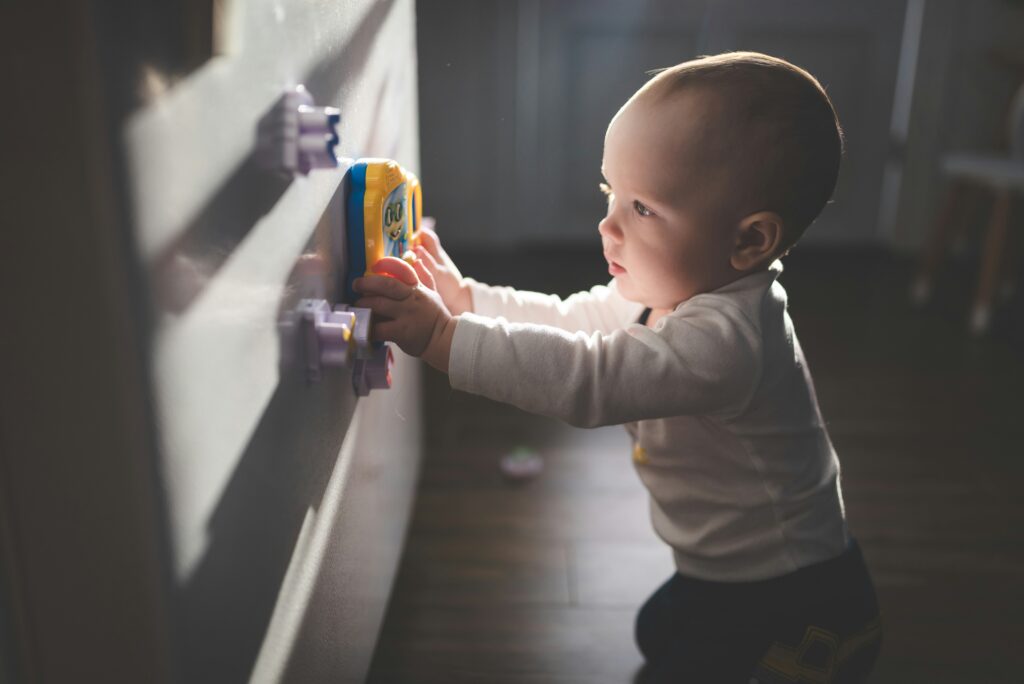
Welcoming a baby into your home brings joy, excitement, and a whole new level of responsibility. As your little one begins to crawl, explore, and eventually walk, your home transforms into a space filled with potential hazards. Babyproofing becomes essential, but the big question many parents face is whether to do it themselves or hire professionals.
Both DIY and professional babyproofing have their advantages and limitations. Understanding what each option offers can help you make the best decision for your child’s safety and your peace of mind.
Why Babyproofing Is Non-Negotiable
Babies are naturally curious. From pulling drawers open to grabbing objects within reach, their exploration often comes without awareness of danger. Everyday household items – sharp corners, electrical outlets, cleaning supplies—can quickly become risks.
Babyproofing ensures that your home supports your child’s development while minimizing the chances of injury. Whether you choose a DIY approach or professional help, the goal remains the same: creating a safe and secure environment.
Understanding DIY Babyproofing
DIY babyproofing involves parents taking charge of identifying hazards and installing safety solutions themselves. With the wide availability of babyproofing products and online tutorials, many families choose this route.
Benefits of DIY Babyproofing
One of the biggest advantages is cost-effectiveness. You can purchase only what you need and install it at your own pace, making it budget-friendly for many households.
DIY also gives you complete control. You know your home better than anyone else, and you can tailor safety measures to your child’s habits and routines. Additionally, it offers flexibility, you can gradually upgrade your safety setup as your baby grows.
Another benefit is convenience. There’s no need to schedule appointments or wait for professionals; you can start babyproofing whenever you’re ready.
Challenges of DIY Babyproofing
While DIY may seem straightforward, it requires time, effort, and attention to detail. Identifying all potential hazards isn’t always easy, especially for first-time parents.
Improper installation is another concern. Safety devices like cabinet locks, gates, and anchors must be installed correctly to function effectively. A poorly secured item can create a false sense of safety.
DIY babyproofing can also overlook hidden dangers. For example, heavy furniture that isn’t anchored or cords that are within reach may not be immediately obvious risks.
What Professional Babyproofing Offers
Professional babyproofing services involve trained experts assessing your home and implementing safety solutions. These specialists are experienced in identifying risks that parents might miss.
Advantages of Hiring Professionals
One of the key benefits is expertise. Professionals conduct thorough inspections and provide customized solutions based on your home’s layout and your child’s age.
They also ensure proper installation of safety devices. From securing furniture to installing gates and outlet covers, everything is done to industry standards.
Another advantage is comprehensive coverage. Professionals often address both visible and hidden hazards, ensuring a more complete safety setup.
For busy parents, professional babyproofing saves time and reduces stress. Instead of researching and installing everything yourself, you can rely on experts to handle the process efficiently.
Limitations of Professional Babyproofing
The main drawback is cost. Professional services can be more expensive than DIY, especially for larger homes or advanced safety systems.
Scheduling can also be a factor. You may need to coordinate appointments, which might not always align with your availability.
Additionally, some parents prefer a hands-on approach and may feel more comfortable making adjustments themselves rather than relying entirely on external services.
Key Areas That Need Babyproofing
Regardless of the method you choose, certain areas of your home require special attention.
Living Room
This is often where babies spend most of their time. Secure furniture, cover sharp edges, and keep small objects out of reach.
Kitchen
The kitchen contains several hazards, including sharp utensils, hot surfaces, and cleaning chemicals. Cabinet locks and stove guards are essential here.
Bathroom
Water-related risks make bathrooms particularly dangerous. Install toilet locks, non-slip mats, and keep medicines securely stored.
Bedroom
Ensure that cribs meet safety standards and remove any items that could pose suffocation risks.
Stairs and Hallways
Safety gates are crucial to prevent falls, especially once your baby starts crawling or walking.
How to Decide Between DIY and Professional Babyproofing
Choosing between DIY and professional babyproofing depends on several factors.
If you have a limited budget and are comfortable with tools and installations, DIY can be a practical option. It works well for smaller homes or when addressing basic safety needs.
On the other hand, professional babyproofing is ideal if you want a thorough and expert approach. It’s especially beneficial for larger homes, complex layouts, or parents who prefer peace of mind knowing everything has been handled correctly.
Your lifestyle also plays a role. Busy schedules may make professional services more appealing, while those who enjoy hands-on projects might prefer DIY.
A Hybrid Approach: The Best of Both Worlds
Many parents find that a combination of DIY and professional babyproofing works best. For example, you might hire a professional for an initial safety assessment and major installations, then handle smaller adjustments yourself.
This approach balances cost and expertise while allowing you to stay involved in your child’s safety.
Common Babyproofing Mistakes to Avoid
No matter which method you choose, certain mistakes can compromise safety.
One common error is underestimating a baby’s abilities. Children develop quickly, and what seems out of reach today may not be tomorrow.
Another mistake is inconsistent babyproofing. Securing only a few areas while leaving others exposed can create gaps in safety.
Neglecting maintenance is also an issue. Safety devices should be checked regularly to ensure they remain secure and functional.
Keeping Up with Your Growing Child
Babyproofing isn’t a one-time task. As your child grows, their abilities and curiosity increase, requiring updates to your safety measures.
What works for a crawling baby may not be sufficient for a toddler who can climb and reach higher places. Regularly reassessing your home ensures it continues to meet your child’s needs.
Final Thoughts
When it comes to babyproofing, there’s no one-size-fits-all solution. Both DIY and professional approaches have their merits, and the right choice depends on your budget, time, and comfort level.
What matters most is creating a safe environment where your child can explore and grow without unnecessary risks. Whether you take a hands-on approach, hire experts, or combine both, your efforts play a crucial role in protecting your little one.
Parenthood comes with countless decisions, but ensuring your child’s safety is always at the top of the list. With thoughtful planning and the right approach, you can turn your home into a secure haven for your baby’s early adventures.